

TL;DR
Problem: After‑hours overrides run HVAC when spaces are empty.
Solution: Replace anonymous push-buttons with booking-based, identified requests, smart defaults, and real-time feedback.
Impact: Expect double-digit reductions in after‑hours HVAC consumption (commonly 15–40%) with immediate ROI; whole-building effects vary by HVAC share and schedule.
Results at a Glance
- Room‑level, after‑hours: ~40% reduction (Appalachian State conference rooms).
- Whole‑building (HVAC scheduling only): 2.1% median across 432 buildings.
- Illustrative building‑level cost recovery (50,000 ft² ≈ 4,645 m² office): ~$26k–$52k/yr (see Footnote ¹: assumptions & math).
- ROI: Immediate in software‑only pilots; hardware integration varies by site.
The Problem: How Anonymous Overrides Waste Energy
At 8:47 PM, someone hit the wall override in Conference Room B. Two hours of HVAC spun up for a 20-minute call. Depending on unit size and your tariff, that single cycle can cost tens of dollars—and this scene repeats across thousands of buildings every night. The fix isn’t new equipment; it’s a better way to request and regulate after‑hours comfort.
The Numbers Behind the Waste
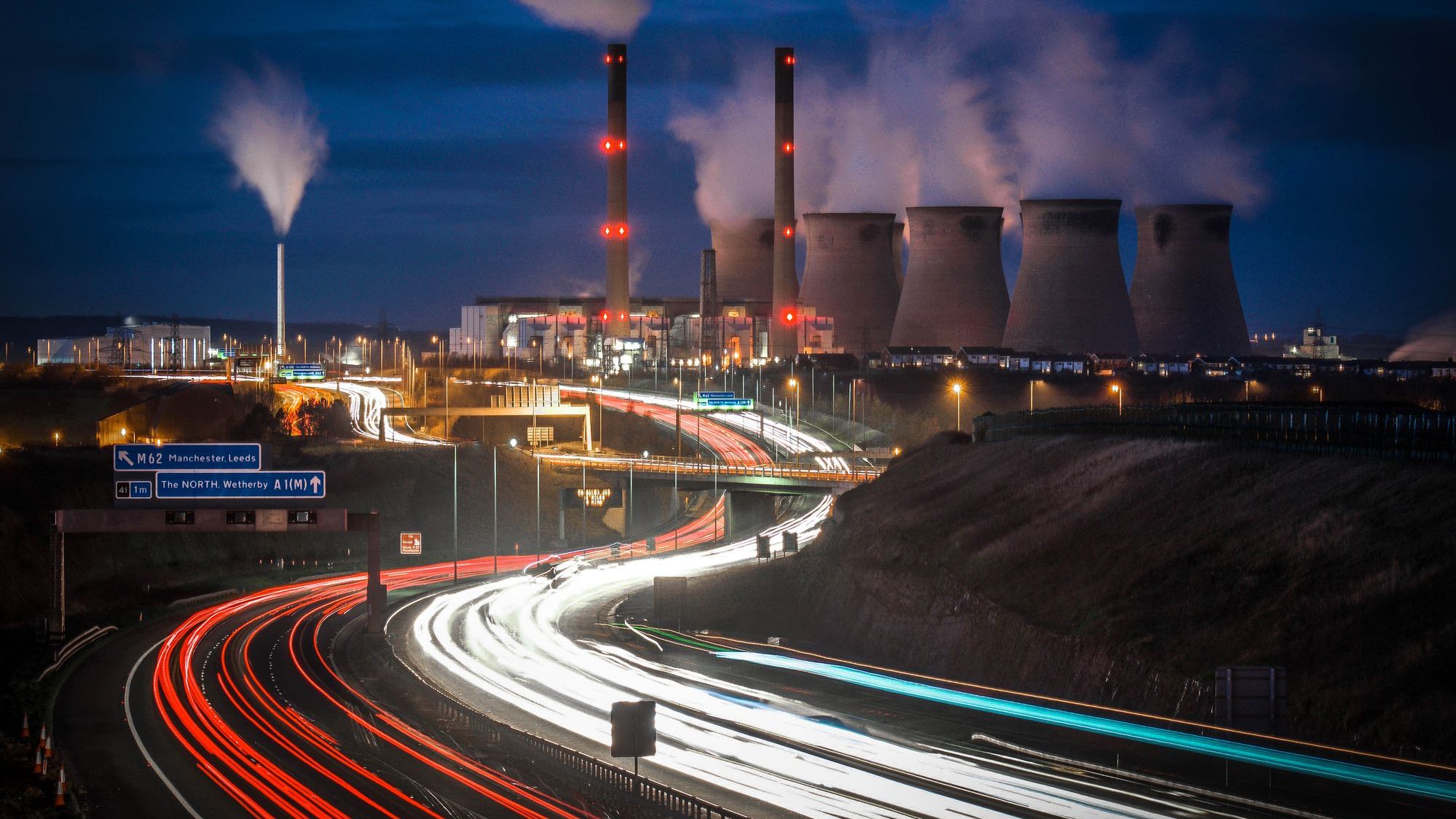
HVAC systems consume 38-40% of total building energy (Australian Government Department of Agriculture, Water and the Environment, 2024). Many air handling units (AHUs) don’t fully shut down off-hours. One national study found only ~23% shut down as scheduled, leaving significant avoidable runtime on nights, weekends, and holidays (Dombrovski et al., 2022). That gap is the opportunity.
For a typical 50,000 sq ft office building, unnecessary after‑hours HVAC operation wastes $26,000–$52,000 annually¹. Across building portfolios, this represents hundreds of thousands in recoverable costs.
Why Smart People Make Wasteful Energy Decisions
Traditional after‑hours HVAC systems create psychological conditions that encourage waste:
The “Free” Energy Problem: When energy costs get absorbed at the building level instead of charged to specific users, personal accountability disappears. About 20% of commercial buildings operate under landlord-pay arrangements where tenants don’t directly pay energy costs (Jessoe et al., 2018).
The Push-Button Problem: Anonymous override systems make requesting HVAC service too easy. Users develop automatic responses to temperature discomfort without considering actual need, duration, or cost. Research shows users focus on immediate temperature relief rather than necessity for extended HVAC operation (Frederiks et al., 2015).
The “I Deserve It” Problem: People justify continued energy use after initial conservation efforts, creating a “rebound effect” where consumption escalates over time.
Five Smart Strategies That Work
These strategies address the psychological problems driving energy waste through better system design:
1. Login-Based Requests & Chargeback Options
Replace anonymous wall buttons with user identification systems. When every HVAC request ties to a specific user account, department, or tenant, users can no longer treat energy as a “free” resource.
Implementation: Mobile apps, swipe cards, or PIN entry that tracks requests by user and enables departmental cost allocation.
2. Advance Booking Requirements
Booking-based systems require deliberate planning versus spontaneous button-pressing. Research confirms that introducing small effort barriers significantly reduces impulsive energy consumption (Andor & Fels, 2018).
Implementation: Calendar-style booking with default durations (60-90 minutes) and grace windows for legitimate overruns. Include visual cost hints: “2‑hour booking: typically $15–$70 (assumes 40–100 ton AHU; see Footnote ¹).”
3. Real-Time Feedback and Easy Changes
Mobile applications enable users to easily cancel or modify bookings when plans change, preventing energy waste from forgotten operations.
Features:
- Push notifications: “Your booking ends in 15 minutes. Need additional time?”
- One-tap cancellation options
- Auto-shortening when motion/CO₂ sensors suggest vacancy
4. Department-Level Social Comparison
Monthly reports showing usage by department create energy efficiency awareness while respecting individual privacy. Research shows feedback strategies using social norms can lead to 10% reduced energy consumption (Soomro et al., 2020).
Implementation: Department roll-ups rather than individual leaderboards: “Finance department averaged 1.2 hours per booking this month. Building average: 2.1 hours.”
Reports roll up to department level only; no individual names are displayed. Data retention complies with company policy and applicable privacy law.
5. Smart Defaults and Choice Design
Guide user behaviour through strategic interface design with default duration suggestions, recommended booking windows, and cost transparency.
Features:
- Default 90-minute bookings for most requests
- “Popular times” suggestions based on historical patterns
- Variable pricing display making energy costs visible
Proof: Real-World Results
Room‑Level Case Study: Appalachian State University (Room‑level, after‑hours, 18‑month study)
A comprehensive 18-month study tracked actual energy consumption across 47 conference rooms, comparing traditional push-button overrides with behavioural automation systems (Richardson, 2025).
Results: Room-specific after‑hours energy use dropped by approximately 40% total and 26% on weekdays. For their typical conference room, this translated to annual savings of $1,847 per room.
Portfolio Evidence: 432 Commercial Buildings (Whole‑building, portfolio median)
A multi-building study found median whole‑building energy savings of 2.1% from HVAC scheduling optimisation alone (Heiselberg et al., 2020). While modest percentages, these represent millions of kilowatt-hours when applied across commercial portfolios.
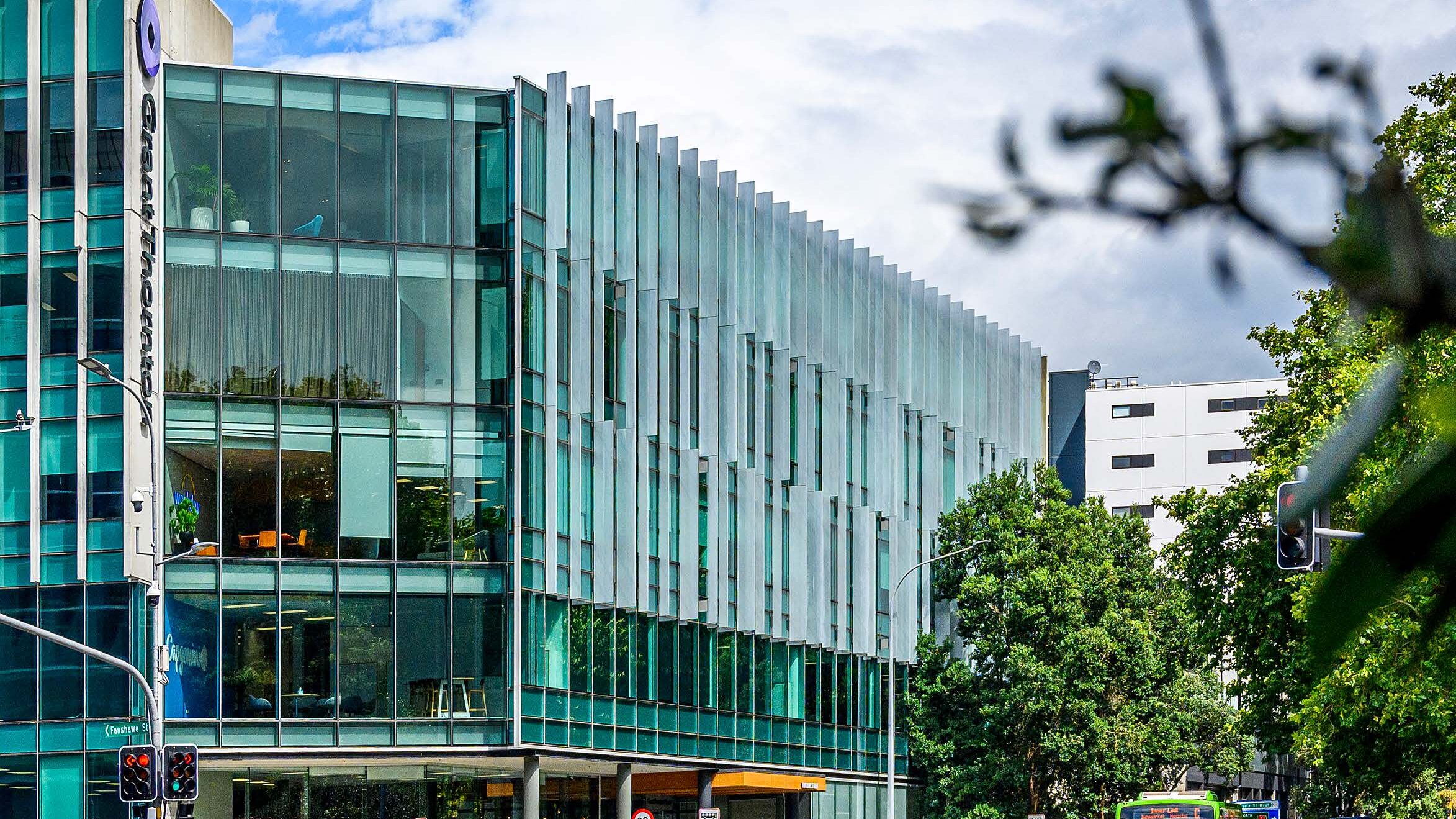
New Zealand Case: 152 Fanshawe Street, Auckland (Whole‑building, New Zealand)
This 17-year-old, 6,490m² building implemented comprehensive behavioural automation to address outdated push-button systems (PMG Funds, 2024).
Results:
- After‑hours HVAC usage dropped by 38%
- Overall building energy consumption decreased by 11.8%
- Annual savings of $11,873
- Achieved 5.5-star NABERS rating
Generalisability: Results vary by building age, HVAC system type, occupancy patterns, and climate. Newer buildings with efficient baseline systems may see smaller absolute savings.
Risk Management & Common Objections
Comfort Concerns
Risk: Users worry about booking complexity affecting comfort. Mitigation: Implement grace periods, emergency override options, and 24/7 mobile booking access.
Security & Privacy
Risk: User tracking and departmental visibility concerns. Mitigation: Department-level reporting only, secure authentication, and clear privacy policies.
24/7 Operations
Risk: Systems don’t work for buildings with round-the-clock activity. Mitigation: Hybrid approach combining scheduled base loads with booking-based incremental capacity.
Edge Cases (When to use a hybrid approach)
Labs and data centres (process loads), 24/7 clinical spaces, or code‑mandated minimum ventilation. Use a base schedule + booking‑based increments; keep emergency overrides always available.

Measurement & Reporting Template
Track These Metrics:
- After‑hours HVAC runtime (hours per month)
- Energy consumption (kWh during off-hours vs baseline)
- User satisfaction (booking system usability scores)
- Booking patterns (advance planning vs last-minute requests)
Measurement Targets:
- Reduce after‑hours runtime by ≥25% in pilot rooms by Day 30
- ≥80% of ‘end soon’ prompts result in expiry or shorter extension
- ≤10% of bookings extended more than once per evening
Before/After Analysis:
- Compare 12 months pre-implementation vs 12 months post
- Segment by weekday/weekend and seasonal variations
- Calculate cost savings accounting for energy and demand charges
- Monitor for rebound effects over time
Beyond Energy: Complete Value Proposition
Smart HVAC automation delivers operational benefits extending beyond energy savings:
Administrative Efficiency: Eliminates manual scheduling overhead and billing disputes through automated tracking and transparent cost allocation.
Tenant Relations: 24/7 mobile booking access and instant confirmations replace slow email-based systems, improving satisfaction and retention.
Building Intelligence: Detailed analytics reveal actual space utilisation patterns, enabling data-driven maintenance and upgrade decisions.
Regulatory Positioning: Accurate after‑hours tracking provides documentation needed for NABERS, LEED, and emerging energy reporting requirements.
Call to Action: Audit Checklist
Immediate Assessment: □ Count wall-mounted override buttons in your building □ Review last 12 months of after‑hours HVAC costs □ Survey tenants about booking frustrations □ Calculate potential savings using building-specific rates
Next Steps:
- Pilot booking system in 3-5 high-usage spaces
- Implement user identification for new requests
- Establish departmental cost tracking
- Set 90-day measurement period for results validation
The tools exist, the research is proven, and the financial opportunity is substantial. Buildings implementing comprehensive behavioural automation today position themselves ahead of regulatory requirements while capturing immediate operational advantages that compound year after year.
Glossary
- AHU (Air Handling Unit): Central HVAC equipment that conditions and distributes air
- Override: Manual activation of HVAC during normally unoccupied hours
- RTU (Rooftop Unit): Self-contained HVAC system typically serving individual zones
- NABERS: National Australian Built Environment Rating System for energy efficiency
Footnotes: ¹ How we estimate $26k–$52k per 50,000 ft² (illustrative): Capacity: 100–200 tons total cooling (≈ 350–500 ft²/ton). Intensity: 1.0 kW/ton average compressor+fans during after‑hours service. Avoidable runtime: ~1,600 hours/year (nights+weekends that shouldn’t run). Tariff (blended energy+demand): ~$0.16/kWh. Cost: tons × kW/ton × hours × $/kWh →
- Lower case: 100 × 1.0 × 1,600 × 0.16 ≈ $25,600/yr
- Upper case: 200 × 1.0 × 1,600 × 0.16 ≈ $51,200/yr Per‑override example (2‑hour booking): Size: 40–100 tons; kW/ton: 1.0–1.2; Tariff: $0.18–$0.30/kWh → ≈ $14–$72 per 2‑hour run. Adjust capacity, hours, and tariffs to your site. Excludes reheat, pumps, and special sequences; include if material.
References
- Andor, M.A. & Fels, K.M. (2018). Behavioural Economics and Energy Conservation – A Systematic Review of Non-price Interventions and Their Causal Effects. Ecological Economics, 148, 178-210. DOI: 10.1016/j.ecolecon.2018.01.018.
- Australian Government Department of Agriculture, Water and the Environment. (2024). HVAC Factsheet – Energy Breakdown. Available at: https://www.energy.gov.au/publications/hvac-factsheet-energy-breakdown (Accessed July 2025)
- Dombrovski, K., et al. (2022). Air Handling Unit Shutdowns During Scheduled Unoccupied Hours: US Commercial Building Stock Prevalence and Energy Impact. National Renewable Energy Laboratory Technical Report NREL/TP-5500-84553. DOI: 10.2172/1898554.
- Frederiks, E.R., et al. (2015). Household energy use: Applying behavioural economics to understand consumer decision-making and behaviour. Renewable and Sustainable Energy Reviews, 41, 1385-1394. DOI: 10.1016/j.rser.2014.09.026.
- Heiselberg, P., et al. (2020). Data-driven evaluation of HVAC operation and savings in commercial buildings. Applied Energy, 278, 115611. DOI: 10.1016/j.apenergy.2020.115611.
- Jessoe, K., et al. (2018). Commercial building electricity consumption and the role of information and metering technology. Journal of Environmental Economics and Management, 90, 336-354. DOI: 10.1016/j.jeem.2018.06.009.
- PMG Funds. (2024). Case study: 152 Fanshawe Street journey to NABERS 5.5. Available at: https://www.pmgfunds.co.nz/news/case-study-152-fanshawe-street-journey-to-nabers-5-5 (Accessed July 2025)
- Richardson, P. (2025). Case Study Evaluation of HVAC Energy Use Resulting from a Room Usage Calendar-Based HVAC Scheduling Tool. Association of Energy Engineers Case Study Report. Available at: https://www.aeecenter.org/aee-news/case-study-evaluation-of-hvac-energy-use-resulting-from-a-room-usage-calendar-based-hvac-scheduling-tool/ [Archived: https://web.archive.org/web/20250723120000*/https://www.aeecenter.org/aee-news/case-study-evaluation-of-hvac-energy-use-resulting-from-a-room-usage-calendar-based-hvac-scheduling-tool/] (Accessed July 2025)
- Scheduling of the HVAC system in a real commercial building considering equipment cycling and rebound effects (2023). Frontiers in Energy Research, 11. DOI: 10.3389/fenrg.2023.1283369. Published online 2023; accessed July 2025. Available at: https://www.frontiersin.org/journals/energy-research/articles/10.3389/fenrg.2023.1283369/full [Archived: https://web.archive.org/web/20250723120000*/https://www.frontiersin.org/journals/energy-research/articles/10.3389/fenrg.2023.1283369/full]
- Soomro, M., et al. (2020). A review on motivational nudges for enhancing building energy conservation behaviour. Journal of Sustainable Energy & Green Chemistry, 9, 15-28. Available at: https://www.oaepublish.com/articles/jsegc.2020.03 [Archived: https://web.archive.org/web/20250723120000*/https://www.oaepublish.com/articles/jsegc.2020.03] (Accessed July 2025)